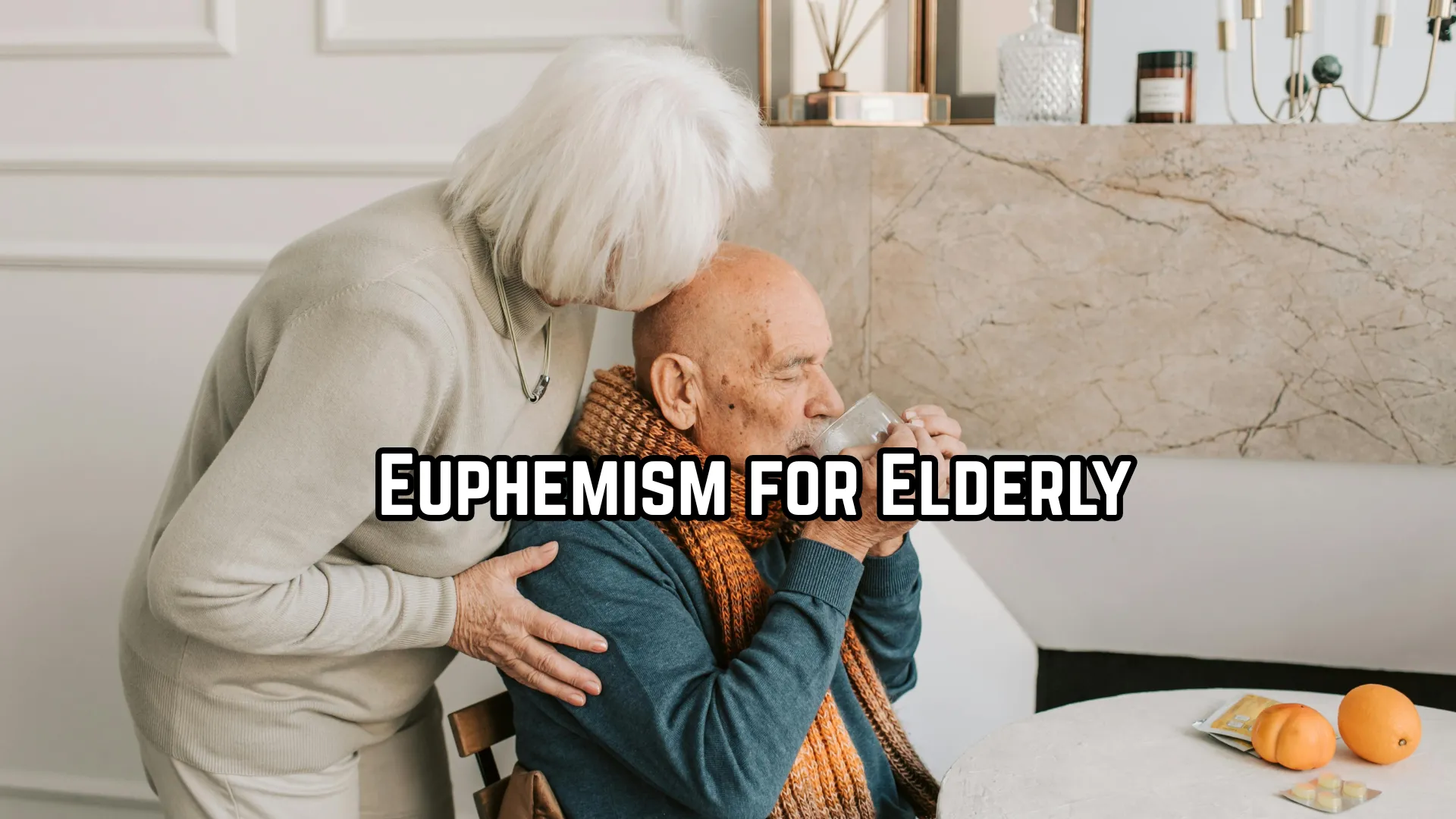

People often avoid using direct words when talking about age. Instead of saying someone is old, many prefer softer and more respectful expressions. These softer expressions are called euphemisms.
A euphemism is a polite way of saying something that might sound harsh, uncomfortable, or too direct. When discussing age, English speakers use many different phrases to sound kinder and more respectful.
This is why many people search for terms like euphemism for elderly and phrases about aging. These expressions appear in daily conversations, movies, news articles, social media posts, and even workplace discussions.
Why People Use Euphemisms for Elderly
Age can be a sensitive topic for many people. Calling someone old directly may sound rude depending on the situation and tone.
Because of this, English speakers often choose gentler phrases. These expressions make conversations feel more comfortable and respectful.
For example, saying senior citizen sounds softer than simply saying old person. In the same way, phrases like golden years sound more positive than talking directly about aging.
These expressions are especially common in healthcare, family conversations, customer service, and media writing.
Senior Citizen
Senior citizen is one of the most common euphemisms for elderly people.
The phrase is polite and widely accepted. Businesses, government offices, and healthcare services often use it officially.
Example:
The store offers discounts for senior citizens.
This term is considered respectful and professional.
Older Adult
Older adult is another polite and modern expression.
Many people prefer this phrase because it sounds neutral and respectful without focusing too heavily on age.
Example:
The program was designed for older adults.
Healthcare workers and researchers commonly use this phrase.
Golden Years
Golden years refers to the later stage of life, especially after retirement.
This phrase creates a positive image of aging by focusing on relaxation, peace, and enjoyment.
Example:
My grandparents are enjoying their golden years traveling together.
This expression is warm and friendly.
Getting On in Years
This is a softer way to say someone is becoming older.
Instead of directly mentioning old age, the phrase sounds more gentle and respectful.
Example:
My uncle is getting on in years but still stays active.
People often use this phrase in family conversations.
Elder Statesman
An elder statesman usually describes an older person with wisdom, experience, and respect.
The phrase originally came from politics, but now it is also used in business, sports, and entertainment.
Example:
He became the elder statesman of the company after decades of experience.
This expression carries a positive meaning.
Advanced in Age
Advanced in age is a formal euphemism often used in writing or official discussions.
It sounds respectful and professional.
Example:
The organization provides care for people advanced in age.
This phrase is more common in formal settings than casual conversations.
Well Advanced in Years
This expression is another gentle way to describe someone elderly.
It sounds softer and more elegant than using direct terms.
Example:
She was well advanced in years but still loved gardening every morning.
This phrase appears more in books and formal writing.
Long in the Tooth
Long in the tooth is a humorous phrase about aging.
The expression originally came from horses because their teeth appear longer as they age.
Example:
He may be long in the tooth, but he still plays tennis every weekend.
This phrase is mostly casual and sometimes playful.
Not as Young as They Used to Be
This phrase indirectly talks about aging without directly saying someone is old.
Example:
My parents are not as young as they used to be.
People often use this expression kindly in family discussions.
Aging Gracefully
Aging gracefully describes someone growing older while maintaining confidence, dignity, and a positive attitude.
Example:
She is aging gracefully and still looks elegant.
This phrase is often used as a compliment.
Senior Member
Senior member is commonly used in workplaces, organizations, and communities.
It can refer to someone older or someone with long experience.
Example:
He is one of the senior members of the team.
This expression sounds respectful and professional.
Mature Adult
Mature adult focuses more on experience and wisdom than age itself.
Example:
The workshop was designed for mature adults.
This phrase is often used in advertisements and educational programs.
Elderly Gentleman or Elderly Lady
Sometimes people soften the word elderly by combining it with polite titles like gentleman or lady.
Example:
The elderly gentleman needed help crossing the road.
This sounds more respectful than simply saying old man or old woman.
In Their Later Years
This phrase politely refers to old age without sounding harsh.
Example:
He started painting in his later years.
The expression feels softer and calmer.
Senior Generation
Senior generation refers to older people as a group.
Example:
The senior generation has seen many changes over the years.
This phrase is often used in discussions about families or society.
Why Some People Dislike Certain Age Phrases
Not every euphemism sounds respectful to everyone.
Some people dislike words like elderly because they feel it focuses too much on weakness or age. Others may not like humorous phrases because they sound mocking.
Language changes over time, and certain phrases become more or less acceptable depending on culture and personal opinion.
That is why many modern writers and speakers prefer neutral terms like older adults instead of older expressions.
Phrases About Aging in Daily Conversations
English speakers use many phrases about aging in casual conversations. Some are positive, while others are humorous.
For example, people may say:
He is still young at heart.
This means the person stays energetic and playful despite growing older.
Another common phrase is:
Age is just a number.
People use this expression to say age should not stop someone from enjoying life or chasing goals.
Some phrases sound less positive, such as over the hill, which jokingly suggests someone is becoming old.
Tone matters a lot with these expressions. The same phrase may sound funny between friends but rude in a formal setting.
How Movies and Media Use Aging Euphemisms
Movies, TV shows, and advertisements often avoid direct words like old because softer expressions sound friendlier.
Retirement ads may talk about golden years instead of old age. Healthcare companies often use older adults or senior citizens.
This style helps the media sound more respectful and emotionally appealing.
Social media also uses many funny phrases about aging, especially in birthday jokes and memes.
Respectful Language Matters
Using respectful language becomes important when talking to older people directly.
Words can affect how someone feels, especially about age. Some older adults do not mind casual jokes, while others prefer more polite expressions.
It is usually safer to choose respectful phrases in professional or formal conversations.
For example, older adult often sounds better than old person.
In family settings, people may use softer phrases naturally because they sound kinder.
How Euphemisms Change Over Time
Language constantly changes.
A phrase considered polite many years ago may sound outdated today. Newer expressions often replace older ones as society changes.
For example, senior citizen became popular as a respectful replacement for harsher terms. Today, some people prefer older adult because it sounds more modern and neutral.
This shift happens in many areas of language, not just age-related expressions.
Positive Ways to Talk About Aging
Not all phrases about aging focus on weakness or decline.
Many expressions highlight wisdom, experience, confidence, and maturity.
Phrases like aging gracefully, young at heart, and golden years create a more positive image of growing older.
This is why people often prefer these expressions in conversations and writing.
Positive language helps make discussions about age feel more comfortable and natural.
Conclusion
Understanding a euphemism for elderly helps people communicate more politely and naturally in English. These expressions appear everywhere, from daily conversations to movies, workplaces, advertisements, and family discussions.
Phrases about aging can sound respectful, funny, warm, or formal depending on how they are used. Some expressions focus on wisdom and experience, while others simply soften direct language about old age.
Using the right words matters because age can be a sensitive topic for many people. Softer and respectful phrases usually create better conversations and avoid sounding rude or harsh.
The more you hear these expressions in real situations, the easier they become to understand and use naturally.
FAQs
A. A euphemism for the elderly is a softer or more polite phrase used instead of directly saying someone is old.
A. Common phrases include golden years, young at heart, getting on in years, and aging gracefully.
A. Yes, a senior citizen is widely considered respectful and professional.
A. People use them to sound kinder, more respectful, and less direct when discussing age.
A. It means growing older with confidence, dignity, and a positive attitude.
A. Some people dislike it because it can sound outdated or too focused on age, while others do not mind it.