
Respect plays a major role in human relationships. People use respect while speaking, listening, studying, working, and interacting with others every day. When respect is present, communication feels smoother and relationships usually become stronger. When respect is missing, problems often appear quickly. This is why many people search for non examples of respect to understand behaviors that create conflict and emotional distance.
People sometimes think disrespect only means insulting someone directly. In reality, disrespect can appear in many forms. Ignoring someone’s opinion, interrupting conversations, mocking people, or breaking promises are all examples of disrespectful behavior. These actions may look small at first, but repeated behavior can seriously affect trust and communication.
Modern communication has also changed because of social media and smartphones. People now interact through messages, comments, and online discussions almost every hour. Because communication happens so quickly, disrespectful behavior often spreads faster than before. Many people react emotionally online without thinking carefully about their words.
The growing interest in non examples of respect also comes from schools and workplaces. Teachers, parents, students, and employees regularly deal with communication problems caused by rude or careless behavior. Understanding disrespect helps people avoid mistakes and build healthier relationships in daily life.
Why Respect Matters in Everyday Life
Respect helps people feel valued and comfortable around others. It creates better communication and reduces unnecessary arguments. When people listen carefully and speak politely, conversations usually become more productive.
Families often depend on respect to maintain healthy relationships. Parents want children to listen and communicate honestly, while children also expect fair treatment and understanding from adults. Without respect, family conversations can quickly become stressful.
Schools also require respectful behavior because students and teachers interact constantly. Learning becomes difficult when classrooms are filled with interruptions, insults, or bullying. Respect creates a safer and more positive environment for students.
In workplaces, respect affects teamwork and productivity. Employees work better together when communication remains professional and supportive. Disrespectful behavior often creates tension that can lower motivation and cooperation.
Respect is also important for friendships. People usually stay close to friends who treat them honestly and kindly. Relationships become weaker when one person constantly behaves selfishly or rudely.
Ignoring Someone During Conversations
One of the most common non examples of respect is ignoring someone while they speak. This behavior makes people feel unimportant and unheard.
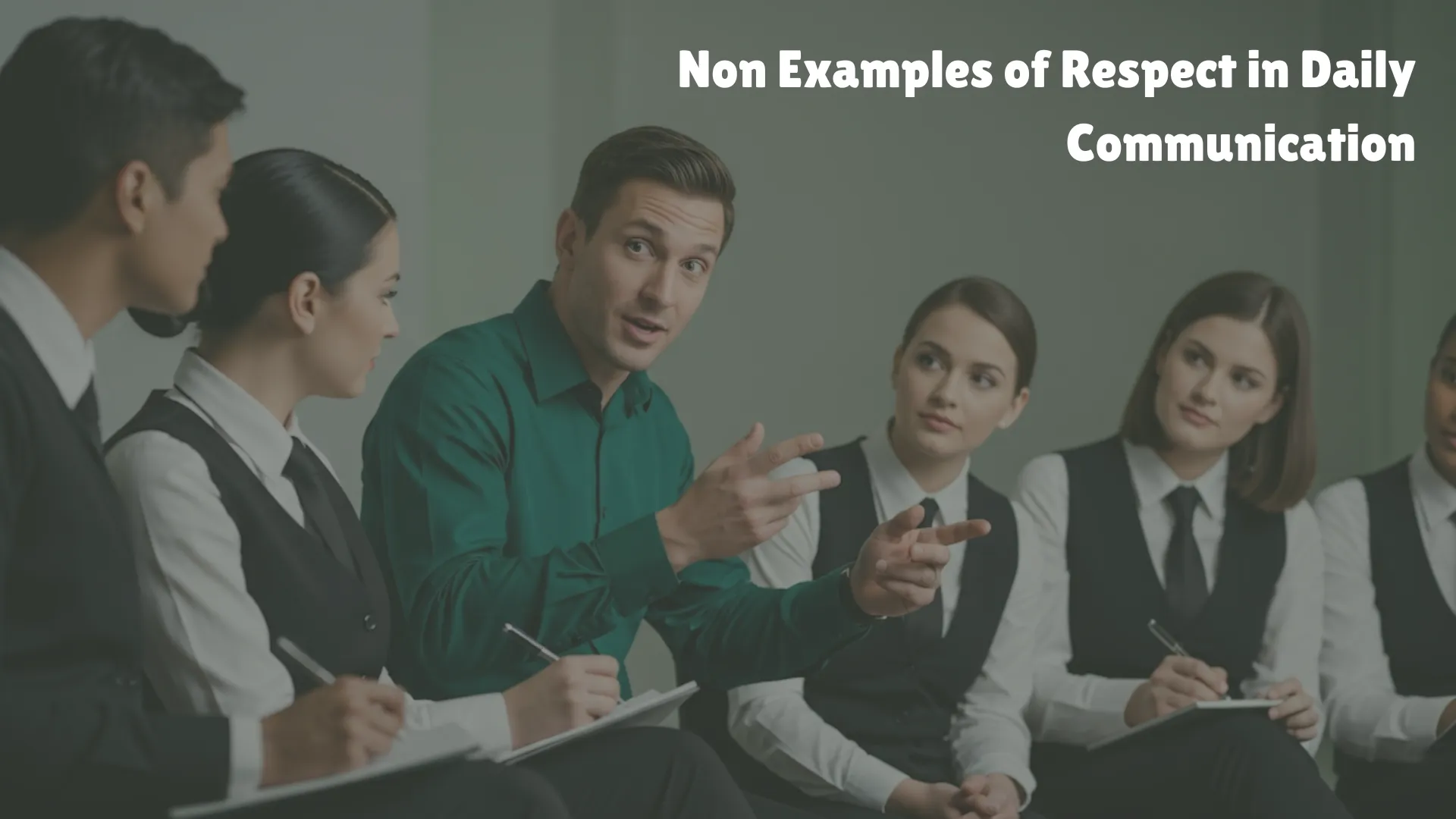
Many people experience this problem daily. Someone may look at their phone during a conversation instead of paying attention. Others may completely change the subject before the speaker finishes talking. These actions may appear harmless, but they can create frustration over time.
Interrupting constantly is another form of disrespect. It sends the message that one person’s opinions matter more than someone else’s thoughts. In classrooms and workplaces, constant interruptions often make communication difficult.
Teenagers especially notice when adults ignore their opinions. Young people want to feel heard and understood, and repeated dismissal can affect confidence and emotional comfort.
Good communication requires active listening. Respectful listeners allow others to finish speaking and show interest in the conversation.
Speaking in a Rude Tone
Rude communication is another major example of disrespect. People do not always need offensive words to sound disrespectful. Tone alone can create tension and discomfort.
Yelling during discussions often turns simple disagreements into larger arguments. Harsh tones can make people feel attacked even if the actual words are not extremely offensive.
Sarcastic comments can also become disrespectful when used repeatedly. Some people hide insults behind jokes, but repeated negative comments may still hurt others emotionally.
Workplaces commonly face problems caused by rude communication. Employees may lose motivation when managers or coworkers constantly speak aggressively or disrespectfully.
Students also experience rude behavior in schools through teasing, mocking, or insulting language. These actions may seriously affect confidence and emotional well-being.
Respectful communication does not mean people must agree on everything. It simply means speaking calmly and avoiding language meant to embarrass or hurt others.
Making Fun of Other People
Mocking people is another strong non example of respect. This includes making fun of someone’s appearance, voice, hobbies, culture, or personal struggles.
Bullying often begins through repeated jokes or teasing. What one person considers funny may deeply hurt another person emotionally.
Students commonly face disrespect through mocking behavior in schools. Some classmates make fun of clothing, grades, or physical appearance. These experiences may stay in someone’s memory for years.
Adults also experience humiliation in workplaces or social groups. Public embarrassment can damage confidence and create emotional stress.
Social media has made this issue even larger because people can now spread jokes and embarrassing content quickly online. Negative comments often reach large audiences within minutes.
Respect means allowing people to feel comfortable being themselves without fear of constant criticism or humiliation.
Ignoring Personal Boundaries
Personal boundaries help people protect their privacy and emotional comfort. Ignoring these boundaries is another common form of disrespect.
Some people enter rooms without permission, touch personal belongings, or ask overly personal questions. Others may pressure someone to share private information they do not want to discuss.
Online privacy is also important. Sharing someone’s pictures, screenshots, or personal messages without permission is disrespectful behavior.
Emotional boundaries matter as well. Pressuring someone to discuss painful experiences when they are uncomfortable can create anxiety and stress.
Respectful people understand that everyone has different comfort levels. They ask permission, listen carefully, and avoid forcing others into uncomfortable situations.
Healthy relationships usually become stronger when people respect each other’s personal space and emotional limits.
Breaking Promises and Lying
Trust is closely connected to respect. When someone repeatedly lies or breaks promises, people may begin feeling ignored or unimportant.
Everyone makes mistakes sometimes, but repeated dishonesty damages relationships. Constantly canceling plans, hiding the truth, or avoiding responsibilities creates frustration for others.
Students may experience this when classmates fail to complete group projects honestly. In workplaces, broken promises can damage teamwork and productivity.
Friendships also become weaker when trust disappears. People often stop depending on individuals who repeatedly fail to keep commitments.
Honesty helps relationships feel stable and safe. Respectful people understand that their actions affect others emotionally and practically.
Keeping promises shows reliability, maturity, and consideration for other people’s time and feelings.
Disrespect in Schools
Schools are one of the first places where people learn social behavior and communication. Unfortunately, disrespect is common in many educational environments.
Students may ignore teachers, interrupt lessons, spread rumors, or bully classmates. These actions create stressful classrooms that make learning harder for everyone.
Bullying remains one of the biggest problems in schools. Mocking, exclusion, and public embarrassment can seriously affect students emotionally.
Teachers may also show disrespect toward students in some situations. Public humiliation or dismissive treatment can lower confidence and create fear in classrooms.
Healthy school environments depend on mutual respect between students, teachers, and staff members.
When classrooms encourage patience, fairness, and communication, students usually feel safer and more comfortable participating in activities.
Workplace Examples of Disrespect
Professional environments require respectful communication to function properly. Without it, teamwork often becomes difficult.
Talking over coworkers, ignoring ideas, arriving late repeatedly, or refusing to cooperate are common workplace examples of disrespect.
Taking credit for someone else’s work also creates frustration and damages trust within teams.
Gossip is another major issue in many offices. Spreading rumors about coworkers can create uncomfortable environments and emotional stress.
Managers who constantly yell or embarrass employees publicly may reduce motivation instead of improving performance.
Workplaces with respectful communication usually experience stronger teamwork, better morale, and healthier professional relationships.
Social Media and Online Disrespect
Social media has changed communication completely. People now share opinions instantly through comments, posts, and direct messages.
Unfortunately, online communication often increases disrespectful behavior. Some users feel more comfortable speaking harshly because they are behind screens.
Cyberbullying has become a major issue for teenagers and young adults. Negative comments, fake rumors, and public humiliation online can affect mental health seriously.
Sharing private conversations or embarrassing pictures without permission is another common example of online disrespect.
Arguments on social media also grow quickly because people respond emotionally without fully understanding situations.
Respect online should follow the same standards as face-to-face communication. Words written online can still affect people deeply.
How Disrespect Affects Mental Health
Disrespectful treatment can strongly affect emotional well-being. Constant criticism, bullying, or rude behavior may lead to stress, sadness, or anxiety.
Teenagers are especially sensitive to disrespect because confidence and identity continue developing during younger years.
Workplace disrespect can also create burnout and emotional exhaustion. Employees who feel ignored or mistreated often lose motivation.
At home, repeated disrespect may damage family relationships and create long-term emotional distance.
People who experience disrespect regularly sometimes avoid social situations because they no longer feel emotionally safe.
Supportive and respectful environments usually help people feel calmer, more confident, and emotionally secure.
Why Teaching Respect Is Important
Children and teenagers often learn behavior by watching adults around them. Parents, teachers, and community leaders all influence communication habits.
Teaching respect involves more than punishment. Young people need examples of patience, honesty, and healthy communication.
Schools often encourage respectful behavior through teamwork, classroom rules, and positive discussions.
Digital behavior should also be included because younger generations spend large amounts of time online. Understanding respectful online communication is now very important.
People who learn respectful habits early often build stronger friendships, healthier family relationships, and better professional communication later in life.
Respect creates safer and more comfortable environments for everyone involved.
Conclusion
Non examples of respect include rude communication, interrupting conversations, mocking people, ignoring boundaries, and breaking promises. These behaviors may seem small at first, but repeated disrespect can seriously damage trust and relationships.
Respect matters in homes, schools, workplaces, friendships, and online platforms. People usually communicate better when they feel heard, valued, and treated fairly.
The growing use of social media has also made respectful communication more important because words now spread faster than ever before.
Healthy relationships often depend on patience, honesty, and understanding. People who practice respect regularly usually build stronger personal and professional connections.
Understanding disrespectful behavior helps people improve communication habits and create more positive environments in daily life.
FAQs
A. Non examples of respect include interrupting others, rude language, mocking people, ignoring boundaries, and breaking promises.
A. Respect helps people feel valued and improves conversations in schools, workplaces, and relationships.
A. Yes, ignoring someone during conversations can make them feel unimportant and unheard.
A. Disrespect can damage trust, create arguments, and increase emotional distance between people.
A. Yes, online platforms sometimes encourage rude comments, cyberbullying, and public arguments.
A. Learning respect early helps children build stronger communication habits and healthier relationships later in life.