
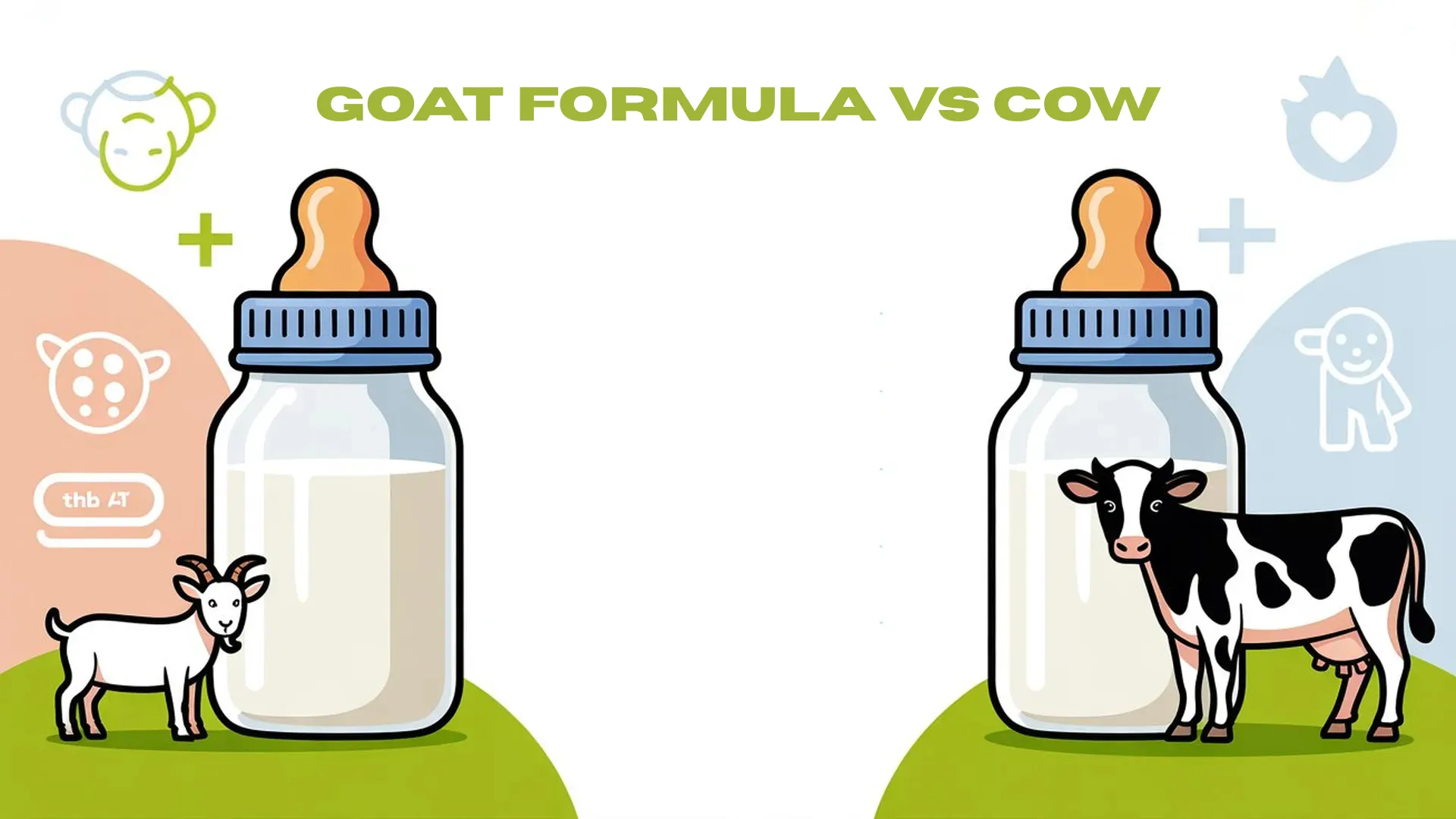

Parents often spend a lot of time researching baby nutrition because feeding choices play an important role in early development. One topic that receives growing attention is goat formula vs cow formula. Many parents compare these options while searching for formulas that support digestion, comfort, and balanced nutrition for infants.
The discussion around goat vs cow milk formula became more common because goat milk-based infant formulas gained popularity in several countries. Some parents believe goat milk formula feels gentler on digestion, while others continue choosing traditional cow milk formula because it remains more widely available and extensively researched.
Both goat milk and cow milk formulas are designed to provide important nutrients babies need during infancy. However, there are differences in protein structure, digestion, taste, and availability that parents often want to understand before making feeding decisions.
What Is Infant Formula?
Infant formula is a specially designed nutritional product created to support babies who are not exclusively breastfed.
Formula products contain proteins, fats, carbohydrates, vitamins, and minerals intended to help infant growth and development.
Most traditional infant formulas are made from cow milk proteins that are modified for infant digestion.
Goat milk formulas use goat milk as the primary dairy source instead.
Modern infant formulas are carefully regulated in many countries to meet nutritional standards for babies.
Why Parents Compare Goat Formula vs Cow Formula
Parents compare goat formula vs cow formula mainly because babies can react differently to feeding options.
Some infants experience gas, fussiness, constipation, or digestive discomfort with certain formulas.
Because of this, parents often explore alternative formulas that may feel easier for babies to tolerate.
Social media discussions, parenting communities, and online reviews also increased public interest in goat milk formulas over recent years.
However, every baby responds differently, so feeding choices often depend on individual needs and pediatric guidance.
The Main Difference Between Goat and Cow Formula
The biggest difference between goat vs cow milk formula involves the milk source itself.
Cow formula uses cow milk proteins.
Goat formula uses goat milk proteins.
Although both formulas are modified for infant nutrition, the protein structures and fat compositions differ slightly.
These differences may influence digestion and texture.
Goat milk naturally forms softer curds in the stomach compared to cow milk, which some people believe may support easier digestion for certain babies.
However, scientific responses can vary between infants.
Protein Differences
Protein composition is one of the most discussed differences in goat formula vs cow formula.
Cow milk contains different protein ratios compared to goat milk.
Goat milk naturally contains lower levels of alpha-S1 casein, a protein associated with firmer curd formation during digestion.
Because goat milk curds may stay softer, some parents believe babies digest goat formula more comfortably.
However, this does not automatically mean goat formula is suitable for babies with milk protein allergies.
Both goat and cow milk contain dairy proteins that may still trigger allergic reactions in sensitive infants.
Digestion and Stomach Comfort
Digestion is one of the main reasons parents explore goat milk formulas.
Some families report that babies appear less gassy or uncomfortable after switching formulas.
Goat milk fats also contain slightly different fatty acid structures that may influence digestion.
However, digestive experiences differ greatly from baby to baby.
A formula that works well for one infant may not work the same way for another.
Pediatricians usually recommend observing feeding tolerance carefully when changing formulas.
Is Goat Formula Easier to Digest?
Many marketing discussions suggest goat formula feels gentler or easier to digest.
Some research indicates goat milk forms softer curds and may move differently through digestion compared to cow milk.
However, this does not guarantee better digestion for every baby.
Scientific experts generally explain that both formula types are nutritionally appropriate when properly regulated.
Parents should avoid assuming goat formula automatically solves digestive problems without medical guidance.
Feeding difficulties can sometimes involve issues unrelated to formula type itself.
Taste Differences Between Goat and Cow Formula
Taste is another noticeable difference.
Goat milk formula often has a slightly earthier or richer flavor compared to cow milk formula.
Some babies accept the taste easily, while others may prefer one type over another.
Taste preference can vary naturally during infancy.
Because formulas are modified for babies, the flavor differences are usually milder than regular adult milk products.
Nutritional Similarities
Both goat and cow infant formulas are designed to meet infant nutritional standards.
Most formulas include:
- Protein.
- Healthy fats.
- Carbohydrates.
- Iron.
- Calcium.
- Vitamin D.
- DHA.
- Essential vitamins and minerals.
Modern infant formulas are carefully balanced to support growth and development.
Parents should always check that formulas meet official infant nutrition regulations in their country.
Goat Formula and Milk Allergies
One important misunderstanding involves allergies.
Goat formula is not automatically safe for babies with cow milk protein allergies.
Many milk proteins are similar between goat and cow milk.
Because of this similarity, babies allergic to cow milk proteins may also react to goat milk proteins.
Parents should speak with pediatric healthcare professionals before changing formulas for allergy concerns.
Special hypoallergenic formulas may be required in true allergy cases.
Lactose Content Differences
Both goat and cow milk formulas naturally contain lactose.
Lactose is the primary sugar found in milk and provides important energy for babies.
The lactose content between goat and cow formulas is fairly similar overall.
This means goat formula is not usually considered lactose-free.
Babies with lactose intolerance or special digestive conditions may require different specialised formulas instead.
Why Goat Formula Became More Popular
Goat milk formula became more popular partly because parents increasingly search for alternative feeding options.
Natural food trends, social media recommendations, and growing international availability all contributed to increased demand.
Several premium baby formula brands also helped introduce goat milk formulas to larger global markets.
Some parents are attracted to goat formula because it feels less processed or more natural, although both goat and cow formulas undergo strict preparation processes.
Availability and Cost Differences
Cow milk formula remains much more widely available globally.
Most traditional infant formulas sold in supermarkets and pharmacies use cow milk proteins.
Goat formula can sometimes be more expensive depending on location and brand.
Availability may also vary by country.
Because goat formula markets are smaller, pricing often stays higher compared to standard cow milk formula products.
Pediatric Recommendations Matter
Parents should always discuss major feeding changes with paediatric healthcare professionals.
Infant nutrition is highly important during early development.
Doctors may recommend specific formulas based on:
- Digestive symptoms.
- Growth patterns.
- Allergies.
- Medical conditions.
- Premature birth.
- Feeding tolerance.
Professional guidance helps ensure babies receive balanced nutrition safely.
Formula Regulations and Safety
Modern infant formulas are highly regulated in many countries.
Manufacturers must meet strict nutritional standards to sell infant formula legally.
This applies to both goat and cow formulas.
Parents should purchase products from trusted brands following official safety regulations.
Improperly prepared homemade infant formulas are not considered safe alternatives.
Commercial infant formulas are specifically balanced for infant nutritional needs.
Organic Formula Trends
Organic infant formulas also became more popular among parents comparing goat formula vs cow formula.
Some families prefer organic farming standards or ingredient sourcing practices.
Both goat and cow formulas are available in organic versions depending on brand and market availability.
However, organic labeling does not necessarily determine digestibility or allergy suitability.
Nutritional balance and medical guidance remain more important factors overall.
Formula Feeding and Parenting Pressure
Many parents feel pressure while choosing feeding options for babies.
Social media discussions sometimes make formula decisions feel emotionally overwhelming.
It is important to remember that feeding choices vary depending on family situations, baby health, and practical needs.
Both goat and cow infant formulas can support healthy growth when used appropriately.
Parents should focus on what works safely and comfortably for their individual child rather than online trends alone.
Transitioning Between Formulas
When switching formulas, gradual transitions are often recommended.
Sudden formula changes may temporarily affect digestion or feeding behavior.
Some parents mix increasing amounts of the new formula slowly over several days if approved by healthcare providers.
Monitoring symptoms like fussiness, gas, bowel changes, or feeding refusal can help parents evaluate how babies respond.
Every infant adjusts differently during feeding transitions.
Marketing Claims Around Goat Formula
Goat milk formulas are sometimes marketed as gentler or more natural alternatives.
While some babies may tolerate them well, parents should approach marketing claims carefully.
No single formula works perfectly for every child.
Scientific evidence continues evolving regarding digestion and feeding tolerance differences.
Healthcare advice remains more reliable than influencer opinions or advertising claims alone.
Why Parents Continue Comparing Both Options
The goat vs cow milk formula discussion continues growing because parents want the best possible feeding experience for their babies.
Digestive comfort, sleep patterns, feeding tolerance, ingredient preferences, and medical concerns all influence decisions.
As formula options continue expanding globally, parents now have more choices than before.
This increased availability naturally creates more comparison discussions online.
Conclusion
The goat formula vs cow formula comparison mainly focuses on digestion, protein structure, taste, and feeding tolerance differences. Goat milk formula contains different protein and fat structures that some parents believe feel gentler for certain babies, while cow milk formula remains the most widely used and researched infant formula option globally.
Both goat vs cow milk formula products are designed to provide balanced infant nutrition when approved under proper safety regulations. However, every baby responds differently, and goat milk formula is not automatically suitable for babies with dairy protein allergies.
Parents considering formula changes should focus on medical guidance, feeding tolerance, and overall infant health rather than marketing trends alone when making feeding decisions.
FAQs
The main difference is the milk source. Goat formula uses goat milk proteins, while cow formula uses cow milk proteins with slightly different protein and fat structures.
Some parents believe goat formula feels gentler because goat milk forms softer curds during digestion, but every baby responds differently and results can vary.
Not always. Goat formula is not automatically safe for babies with cow milk protein allergies because goat and cow milk contain similar dairy proteins.
Yes. Both goat and cow infant formulas are designed to provide important nutrients like protein, healthy fats, vitamins, minerals, iron, calcium, and DHA for infant development.
Goat milk formula gained popularity because parents increasingly search for alternative feeding options, and social media discussions and premium baby formula brands increased awareness globally.
Yes. Pediatric healthcare professionals can help recommend the best formula based on a baby’s digestion, allergies, growth, and overall feeding tolerance