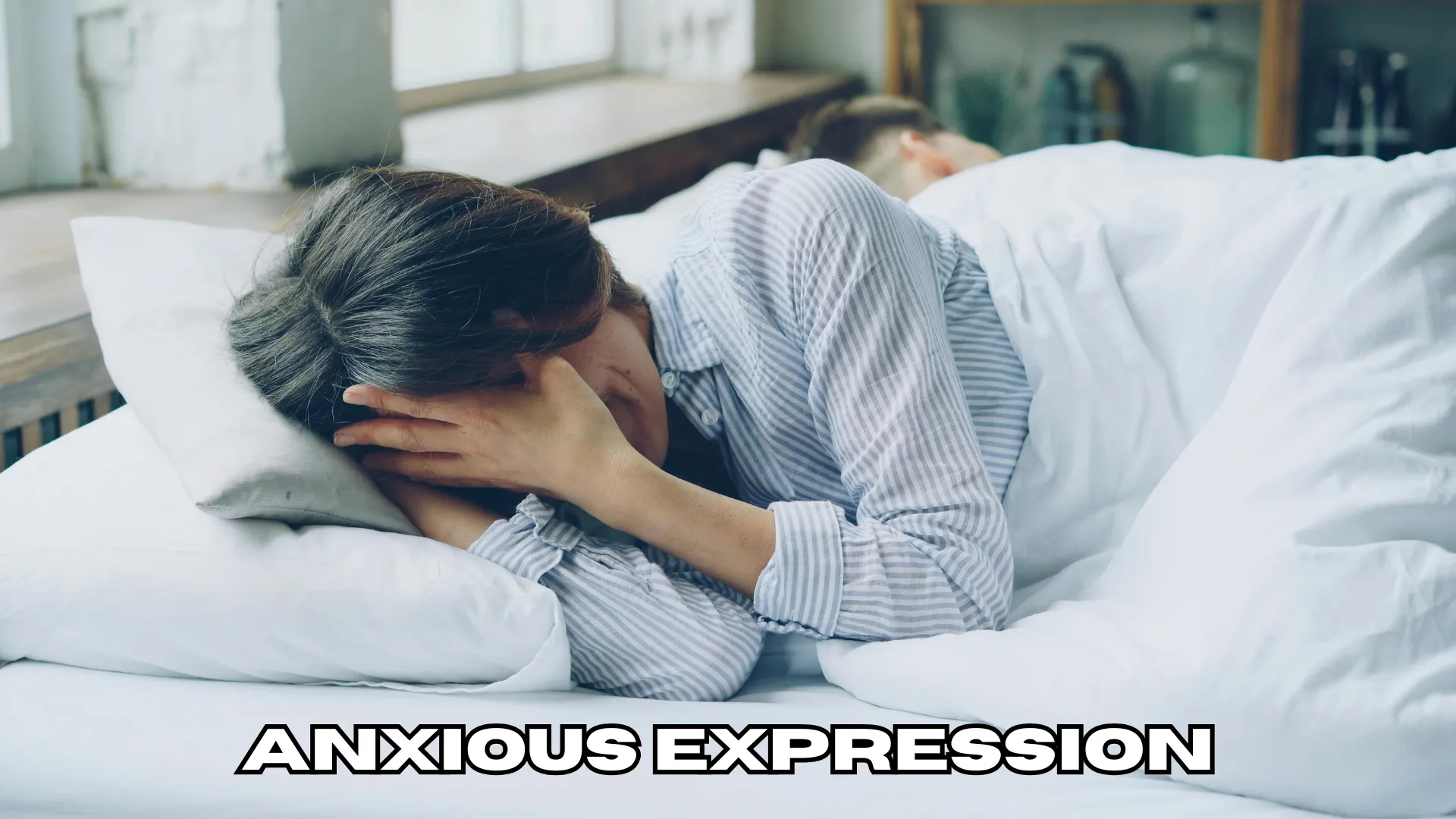

Human faces communicate thousands of emotions every day without a single word being spoken. Among the most misunderstood emotional displays is the anxious expression. Whether observed during a job interview, a medical appointment, a public speech, or a personal conversation, an anxious expression can reveal emotional discomfort, uncertainty, fear, anticipation, or internal stress.
While many articles describe anxious expressions as simply looking worried or nervous, the reality is significantly more complex. Psychologists, behavioral scientists, security professionals, actors, negotiators, healthcare workers, and mental health practitioners all interpret anxious expressions differently based on context, culture, environment, and individual behavior patterns.
Understanding an anxious expression requires more than identifying a furrowed brow or tense facial muscles. Anxiety manifests through subtle combinations of facial movements, body posture, eye behavior, vocal changes, and physiological responses. Moreover, anxious expressions do not always indicate anxiety disorders; they can represent temporary stress responses, social discomfort, uncertainty, or adaptive survival mechanisms.
What Is an Anxious Expression?
An anxious expression refers to the visible facial and behavioral indicators that suggest an individual is experiencing anxiety, stress, apprehension, uncertainty, or emotional discomfort.
Unlike emotions such as happiness or anger, anxiety rarely produces a single universal facial expression. Instead, anxious expressions often involve a combination of subtle cues that vary based on personality, culture, situation, and emotional intensity.
Common characteristics include:
- Tense facial muscles
- Furrowed eyebrows
- Tightened lips
- Increased blinking
- Eye avoidance
- Jaw clenching
- Facial asymmetry
- Restlessness
- Rapid breathing
- Micro-expressions of fear
An anxious expression functions as part of the body’s natural threat response system, helping individuals react to perceived physical, social, or psychological risks.
The Psychology Behind an Anxious Expression
Anxiety originates from complex interactions between the brain, nervous system, emotions, memories, and environmental triggers.
When an individual perceives danger or uncertainty, the brain’s amygdala activates the body’s stress response system. This activation triggers physiological changes including:
- Increased heart rate
- Muscle tension
- Elevated cortisol production
- Heightened awareness
- Increased respiratory rate
- Facial muscle contractions
These biological reactions influence facial appearance almost immediately.
Unlike deliberate facial expressions, anxious expressions often occur involuntarily because they are controlled by subconscious neurological pathways designed for survival.
Facial Features Commonly Associated with Anxious Expression
Eyebrow Position
One of the strongest indicators of anxiety involves changes in eyebrow positioning.
Individuals experiencing anxiety frequently exhibit:
- Raised inner eyebrows
- Furrowed brows
- Uneven eyebrow movement
- Sustained forehead tension
Psychologists often associate these movements with uncertainty and fear processing.
Eye Behavior
The eyes communicate anxiety more effectively than almost any other facial feature.
Common eye-related anxiety indicators include:
- Excessive blinking
- Reduced eye contact
- Rapid eye movement
- Pupil dilation
- Staring behavior
- Frequent scanning of surroundings
Behavioral researchers frequently study eye patterns when assessing anxiety responses.
Mouth and Lip Changes
The mouth region often reveals anxiety even when individuals attempt to hide their emotions.
Common signs include:
- Pressed lips
- Lip biting
- Trembling lips
- Dry mouth behaviors
- Forced smiling
- Jaw tightening
These subtle movements often occur before conscious emotional awareness develops.
Jaw and Facial Muscle Tension
Many people experiencing anxiety unknowingly contract facial muscles.
Observable effects include:
- Clenched jaws
- Tight cheeks
- Stiff facial posture
- Reduced natural expression
- Facial asymmetry
These responses reflect activation of the body’s fight-or-flight system.
Why Anxious Expressions Are Frequently Misinterpreted
One of the least discussed aspects of anxious expression analysis is how often observers make incorrect assumptions.
An anxious expression may be mistaken for:
Dishonesty
Research consistently demonstrates that nervous facial expressions do not reliably indicate deception.
Anger
Jaw tension and facial rigidity can resemble irritation or hostility.
Lack of Confidence
Social anxiety may appear similar to low self-esteem despite representing entirely different psychological processes.
Disinterest
Reduced eye contact and emotional withdrawal are often misinterpreted as boredom or disrespect.
These misunderstandings contribute to social difficulties, workplace bias, and communication problems.
How Anxiety Appears Differently Across Personality Types
A major limitation of many articles discussing anxious expressions is the assumption that anxiety appears the same in everyone.
In reality, personality differences significantly influence emotional expression.
Extroverted Individuals
Extroverts may display:
- Rapid speech
- Increased facial animation
- Nervous laughter
- Excessive smiling
- Visible restlessness
Introverted Individuals
Introverts may display:
- Reduced facial movement
- Limited eye contact
- Quiet speech
- Physical withdrawal
- Minimal emotional display
Highly Self-Aware Individuals
Some individuals consciously suppress anxious expressions, creating:
- Artificial smiles
- Controlled facial muscles
- Delayed reactions
- Reduced emotional visibility
The Science of Micro-Expressions and Anxiety
Micro-expressions are involuntary facial movements lasting fractions of a second.
Researchers studying emotional psychology have identified several anxiety-related micro-expressions:
- Fear flashes
- Brow contractions
- Lip compressions
- Rapid eye widening
- Facial muscle tension spikes
These expressions occur so quickly that they often escape conscious observation.
Security professionals, psychologists, negotiators, and behavioral analysts sometimes receive specialized training to identify these subtle indicators.
Situations Where Anxious Expressions Commonly Appear
Job Interviews
Anxiety during interviews may manifest through:
- Forced smiling
- Increased blinking
- Facial stiffness
- Jaw tension
- Eye avoidance
Interviewers frequently misinterpret these signs as incompetence rather than stress.
Public Speaking
Public speaking anxiety often produces:
- Facial flushing
- Lip tension
- Rapid blinking
- Facial rigidity
- Visible discomfort
Even experienced speakers regularly experience these reactions.
Medical Appointments
Patients often exhibit anxious expressions due to:
- Fear of diagnosis
- Pain anticipation
- Financial concerns
- Uncertainty about treatment
Healthcare providers increasingly receive training to recognize these signs.
Social Interactions
Social anxiety can produce:
- Limited facial expressiveness
- Avoidant eye contact
- Forced smiles
- Visible discomfort
- Emotional suppression
These behaviors frequently create misunderstandings in personal relationships.
Cultural Differences in Anxious Expression
An often-overlooked factor is the influence of culture on emotional display.
Western Cultures
Individuals may express anxiety more openly through facial movement and verbal communication.
East Asian Cultures
Anxiety may be expressed more subtly due to social norms emphasizing emotional restraint.
Middle Eastern Cultures
Facial expressions can vary depending on social hierarchy, gender roles, and community expectations.
These differences complicate universal interpretations of anxious expressions.
The Hidden Cost of Constantly Masking Anxious Expressions
One area rarely discussed in mainstream psychology articles involves emotional masking.
Many individuals consciously hide anxious expressions due to:
- Professional expectations
- Social pressure
- Fear of judgment
- Cultural norms
- Personal experiences
However, prolonged emotional suppression may contribute to:
- Mental exhaustion
- Burnout
- Emotional detachment
- Increased stress
- Reduced interpersonal connection
Mental health professionals increasingly recognize emotional masking as an important factor in anxiety management.
Technology and the Detection of Anxious Expressions
Artificial intelligence and facial recognition technologies are increasingly used to analyze emotional expressions.
Applications include:
Healthcare
- Anxiety screening
- Patient monitoring
- Behavioral assessment
Education
- Student stress analysis
- Learning engagement studies
Workplace Analytics
- Employee wellness monitoring
- Training evaluation
Security Systems
- Behavioral threat assessment
However, experts caution that technology cannot fully account for individual, cultural, and situational variations.
Common Mistakes People Make When Interpreting Anxious Expressions
Assuming Anxiety Equals Weakness
Anxiety represents a biological survival response rather than a character flaw.
Believing Eye Contact Determines Confidence
Many anxious individuals maintain limited eye contact despite being highly capable and confident.
Ignoring Context
Facial expressions cannot be accurately interpreted without considering environmental and situational factors.
Overrelying on Body Language Rules
Popular body language advice often oversimplifies human emotional behavior.
Can Anxious Expressions Be Controlled?
People can learn to manage visible anxiety symptoms, but complete control is rarely possible.
Evidence-based approaches include:
Cognitive Behavioral Therapy
Helps individuals understand anxiety triggers and modify responses.
Breathing Techniques
Controlled breathing reduces physiological stress responses.
Exposure Therapy
Repeated exposure can reduce anxiety-related facial reactions.
Mindfulness Practices
Mindfulness improves emotional awareness and regulation.
Professional Coaching
Public speaking coaches and therapists often help individuals manage visible anxiety symptoms.
The Future of Anxiety Research and Facial Expression Analysis
Advances in neuroscience, artificial intelligence, behavioral psychology, and facial recognition technology continue to improve understanding of anxious expressions.
Emerging areas of research include:
- AI-based emotional analysis
- Neurophysiological monitoring
- Virtual reality anxiety treatment
- Cross-cultural emotion recognition
- Predictive mental health assessment
However, experts increasingly agree that no technology can fully replace human context, empathy, and professional judgment.
Conclusion
An anxious expression represents far more than a worried face or nervous behavior. It reflects complex interactions between biology, psychology, environment, personality, culture, and lived experience.
Understanding anxious expressions requires moving beyond stereotypes and recognizing that anxiety manifests differently across individuals and situations. Whether observed in workplaces, schools, healthcare settings, or personal relationships, these expressions provide valuable insight into emotional states, communication patterns, and human behavior.
As research continues to evolve, understanding anxious expressions with greater accuracy and empathy remains essential for improving communication, mental health support, and interpersonal understanding.
FAQs
Yes. Temporary stress, uncertainty, fatigue, social discomfort, and environmental factors can all produce anxious expressions without indicating a clinical anxiety disorder.
Research suggests that social expectations, cultural influences, and emotional expression patterns can contribute to differences in how anxiety appears across genders.
Current technologies can identify certain facial patterns associated with anxiety, but accuracy remains limited by context, cultural differences, and individual variation.
Nervous smiling is a common coping mechanism used to reduce social tension, mask discomfort, or seek reassurance.
No. Cultural norms significantly influence how anxiety is expressed, perceived, and interpreted.
Long-term anxiety may contribute to habitual muscle tension, facial fatigue, and persistent expression patterns, although these changes are usually reversible.